From Norwich to Chicago: Why International Experts Are Looking to BxClinic for the Future of Patient Care
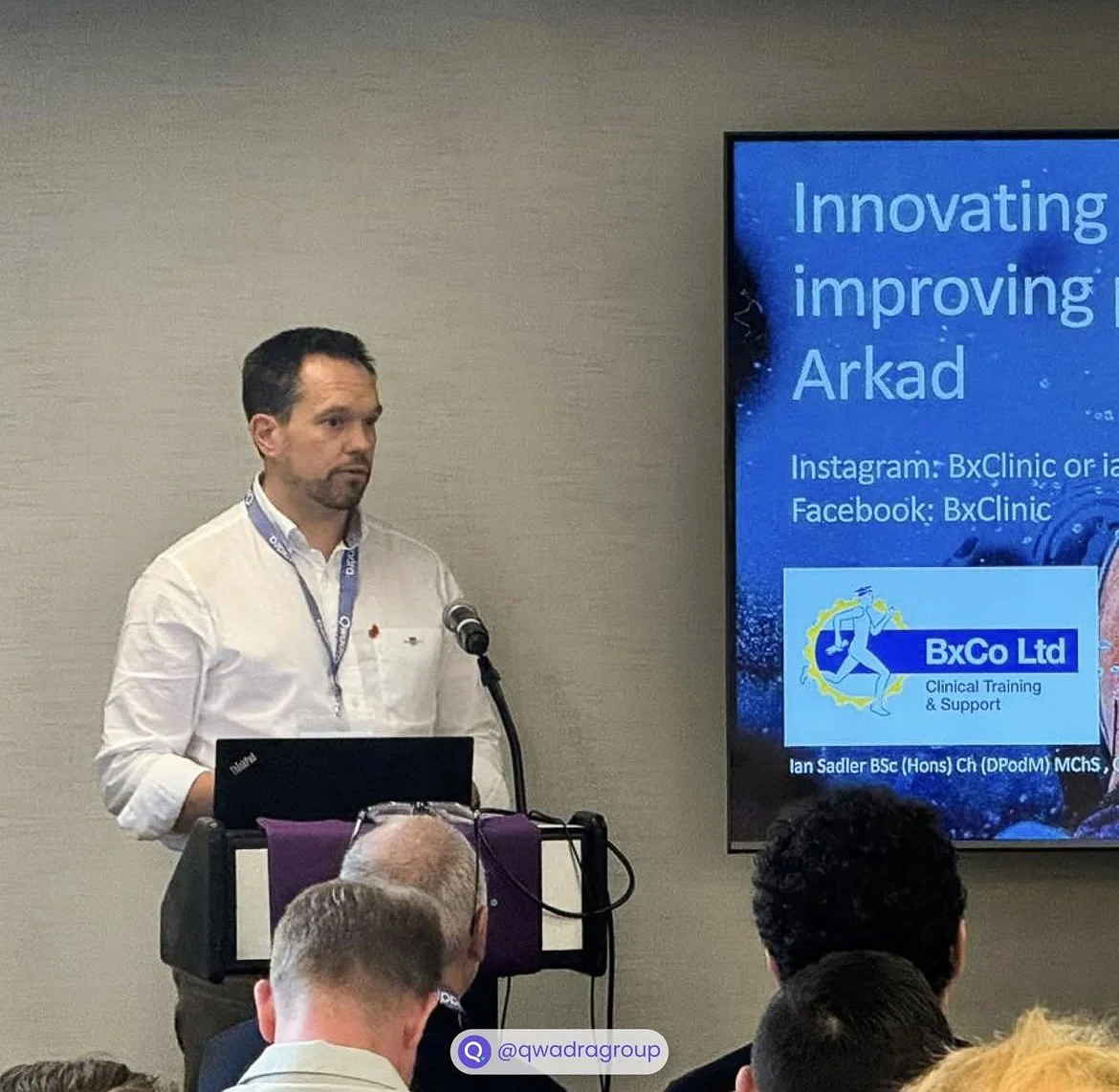
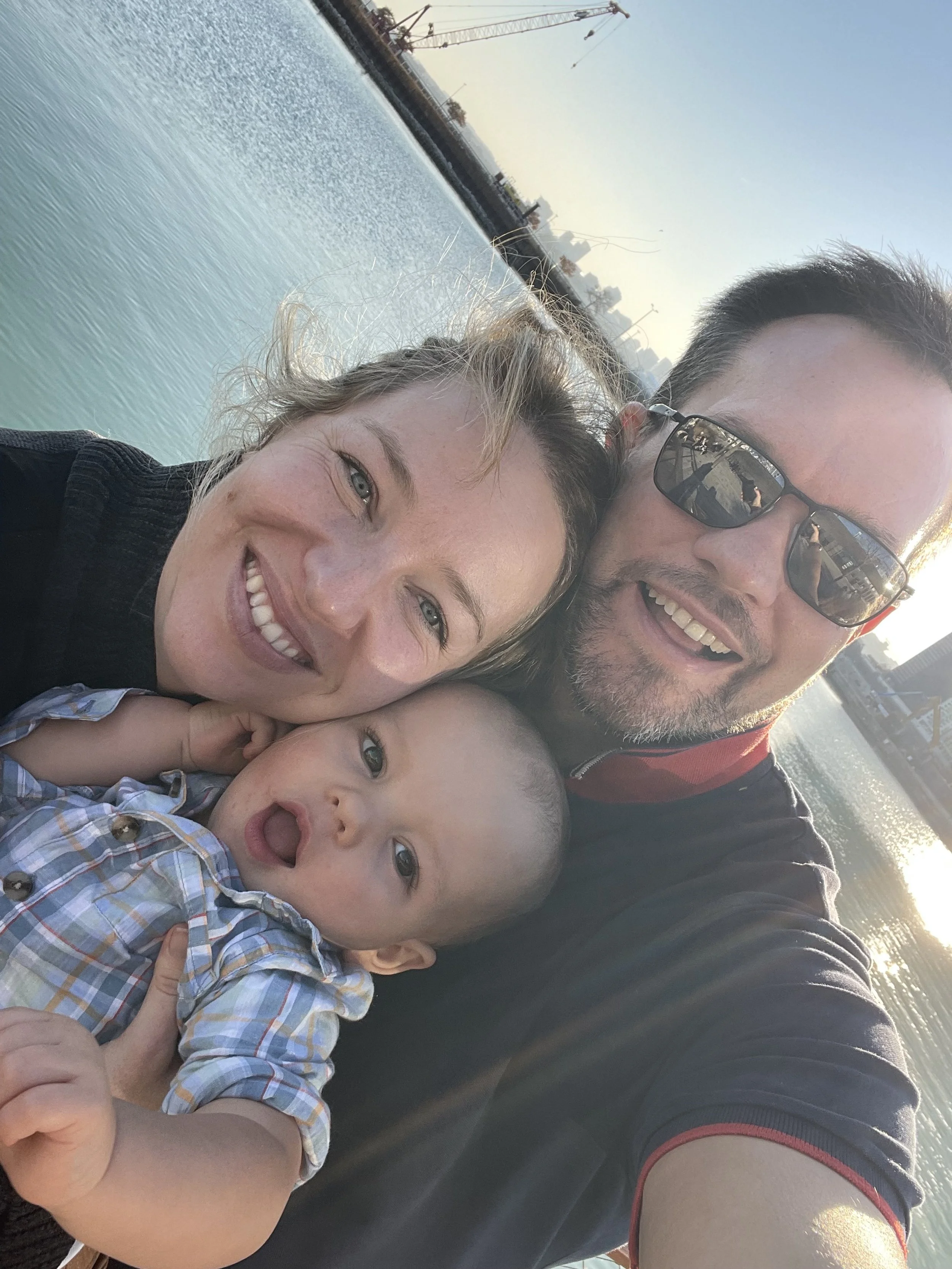
While most parents of a 9-month-old are focused on sleep schedules and weaning routines, early November found me packing nappies alongside presentation notes for a rather different journey. My wife, our baby son, and I were heading to Chicago – but this wasn’t just a family visit to see friends and her American relatives. I’d been invited to speak at an international conference that would bring together some of the biggest names in orthotics and prosthetics from across Europe and the USA.
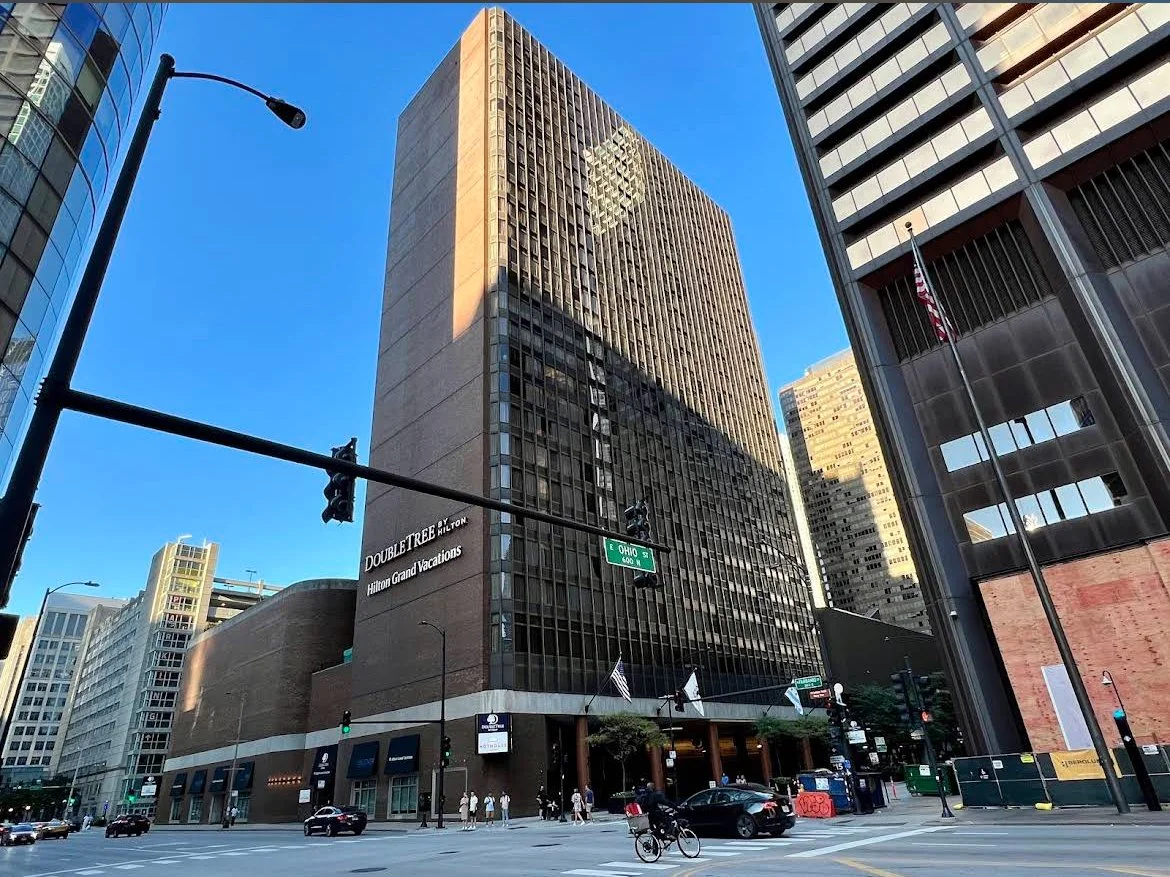
The invitation came from Qwadra, a leader in 3D orthotic technology, and it added a milestone I’m genuinely proud of: international speaker on advanced clinical technologies. But more than the credential, what happened in that conference room at the Doubletree Hilton in Downtown Chicago reinforced something I see every day in our clinic in Norwich – when you get the feet right, everything else follows.
Why BxClinic? What Makes a Small Independent Clinic Stand Out
The audience wasn’t our typical CPD course attendees. These were the owners of large, multi-location podiatry and Orthopeadic clinics and the people who run orthotic and prosthetic manufacturing facilities across two continents. So why invite a podiatrist from a single clinic just outside Norwich?
The answer lies in something we’ve been quietly perfecting at BxClinic over the past few years: we’re one of the only independent clinics in the world using clinical-grade 3D printing technology in this particular way. But it’s not just about having the equipment – it’s about how we use it.
My presentation focused on the process I’ve developed to integrate new CAD (Computer-Aided Design) and 3D printing technology into real clinical workflows. Not in a lab. Not in theory. But with actual patients, in a busy clinic environment, where comfort matters as much as clinical outcomes.
The Breakthrough Technology: Orthotic Insoles that are Soft AND Supportive
For years, there’s been a compromise in orthotic prescription. You could have firm, supportive insoles that worked well biomechanically but could be uncomfortable to wear. Or you could have comfortable, cushioned insoles that patients loved wearing but didn’t provide enough support to change movement patterns effectively.
The work we’ve been doing at BxClinic has cracked this problem. Using 3D printing technology, we can now create orthotic insoles that are both soft enough to provide genuine comfort AND firm enough to support and gently guide your movement. It’s not magic – it’s precision engineering combined with patient feedback.
Every insole we’ve designed and printed in-clinic has taught us something. We’ve refined the shapes, adjusted the densities, and improved the fit based on what real people – children running around after school, office workers on their feet all day, your dad trying to keep up with the grandchildren – actually need and will actually wear.
That patient-focused development process is what Qwadra wanted me to share with an international audience.
The Conversation That Changed Everything: Why Feet Come First
During the networking session, I had a conversation that perfectly illustrated why this work matters so much – and why it’s relevant to far more than just foot pain.
Dr Gomez, an orthopaedic consultant who specialises in treating scoliosis (curvature of the spine), approached me after my presentation. What he told me should be heard by every parent, every adult with back pain, and every healthcare professional.
“I always start with the feet,” he explained. “Before I begin treating scoliosis, I examine foot function and posture. I need to get the foundation right first.”
Think about that for a moment. A spine specialist – someone treating curvature of the back – begins his assessment by looking at the feet. Because he knows that how your feet function affects your knees, your hips, your pelvis, and yes, your spine.
This “feet-first” approach needs a much bigger audience, which is why Dr Gomez invited me to speak to his clinics in Colombia and across the Americas. But you don’t need to wait for international conferences to benefit from this understanding. This is exactly the approach we take at BxClinic with every 90-minute diagnostic assessment.
When your child complains of knee pain, when your dad’s hip is troubling him, when you’re experiencing lower back discomfort – we look at the foundation. Because if your feet aren’t working properly, the effects travel upward through your entire body.
What Chicago Taught Me (And What It Means for You)
Conferences aren’t just about presenting – they’re about learning. Spending time with manufacturers and clinicians who are pushing the boundaries of orthotic and prosthetic design gave me insights into improved CAD workflows that make the design process even more precise.
These aren’t abstract improvements. They translate directly into better insoles for our patients at BxClinic. Faster turnaround times (we’re already delivering custom 3D printed insoles within two weeks – about ten to fifteen weeks faster than the NHS). More comfortable designs. Better clinical outcomes.
The orthotic and prosthetic industry is advancing rapidly, and being part of these international conversations means those advances reach Norfolk before they reach most other clinics in the UK.
Why This Matters to You and Your Family
Here’s what this Chicago experience really means for families in Norfolk and beyond:
International expertise, local access. The same patient-focused approach to 3D orthotic design that’s being discussed international internationally is available right here in our Blofield clinic. You don’t need to travel to London or wait months for an NHS appointment. The technology and expertise that multi-location clinics across Europe and the USA are looking to adopt is already integrated into our practice.
Your foundation matters. Whether it’s your child’s growing pains, your own persistent knee discomfort, or your parent’s mobility concerns – it might all start with the feet. Dr Gomez’s “foundation-first” approach to treating scoliosis is the same principle we apply to every patient who walks through our door.
Comfort and clinical results aren’t mutually exclusive. The breakthrough in creating insoles that are both supportive and genuinely comfortable to wear means your family members will actually use the orthotics we prescribe. And insoles only work if they’re worn.
We’re constantly improving. Being invited to share our approach internationally isn’t the end goal – it’s part of an ongoing conversation that makes our service better. Every conference, every conversation with leading manufacturers, every piece of feedback from our patients feeds into refining what we do.
Back Home Where It Matters Most
After the conference, we travelled on to visit my wife’s family and give grandma precious time with her new grandson. There’s something grounding about those visits – the reminder that behind all the technology and international presentations, this work is really about people. About keeping families active together. About grandparents who can keep up with grandchildren. About children who can play without pain. About parents who don’t have to choose between work and discomfort.
My own journey from British Army medic working with paratroopers and elite forces, through designing gait analysis labs for universities and professional sports clubs, to opening BxClinic in 2008 has always been guided by one principle: be patient-focused, not equipment-focused. Technology serves people, not the other way around.
That’s why even though we now have clinical-grade 3D printing in-clinic and access to advanced pressure analysis systems, I still spend up to 90 minutes on initial diagnostic assessments. Because I need to really listen to your story. To understand what “being well” means to you or your family member. To know what activities you want to return to and why they matter.
The equipment is just a tool. The real expertise is in understanding four-dimensional anatomy – visualising how joints and muscles interact across multiple joints in time during movement. That’s something no machine can do. That takes 28 years of experience and a genuine commitment to understanding each person as an individual.
The Approach That’s Going Global Is Already Here
International recognition is gratifying, but what really matters is that families in our community have access to world-leading MSK care without leaving Norfolk. The same 3D orthotic technology and patient-focused prescription process that international clinic owners travelled to Chicago to learn about is available at BxClinic.
If your child’s foot pain is limiting their activities, if your dad’s knee discomfort is affecting his mobility, or if you’re tired of persistent lower limb pain that no one seems able to resolve – perhaps it’s time to look at the foundation.
Because as Dr Gomez understands, and as international experts are now recognising, getting the feet right first changes everything.
Ready to experience the approach that’s getting international attention?
Book a 90-minute diagnostic assessment at BxClinic. We’ll listen to your story, understand your goals, and use our expertise – and yes, our advanced 3D printing technology – to create a treatment plan that gets you or your family member back to the activities that matter.
Call BxClinic on 01603 327999 or visit our website www.BxClinic.co.uk to book your assessment. World-leading foot care, right here in Norfolk.